Newsletter Monetization: Sponsorships, Paid Tiers and Products Compared
Newsletter monetization is the practice of turning the attention of a permission-based list into revenue — by selling access to your audience (sponsorships), access to your content (paid tiers), or your own products and services — without damaging the relationship that makes the list worth anything in the first place. It is a different job from growing the list, and it is a different job from running a one-off launch. The three models demand different things: sponsors want reach and verifiable engagement, paying readers want depth, and product buyers want relevance. Most newsletters end up stacking two or three models, but the ones that work usually started with one.
What newsletter monetization actually means
Monetization converts an existing asset — a list of people who opted in and keep opening — into money. Growth gets you the asset. Monetization spends it. If you confuse the two, you end up pitching sponsors on a list that never clicks, or launching a course to an audience that never asked for one.
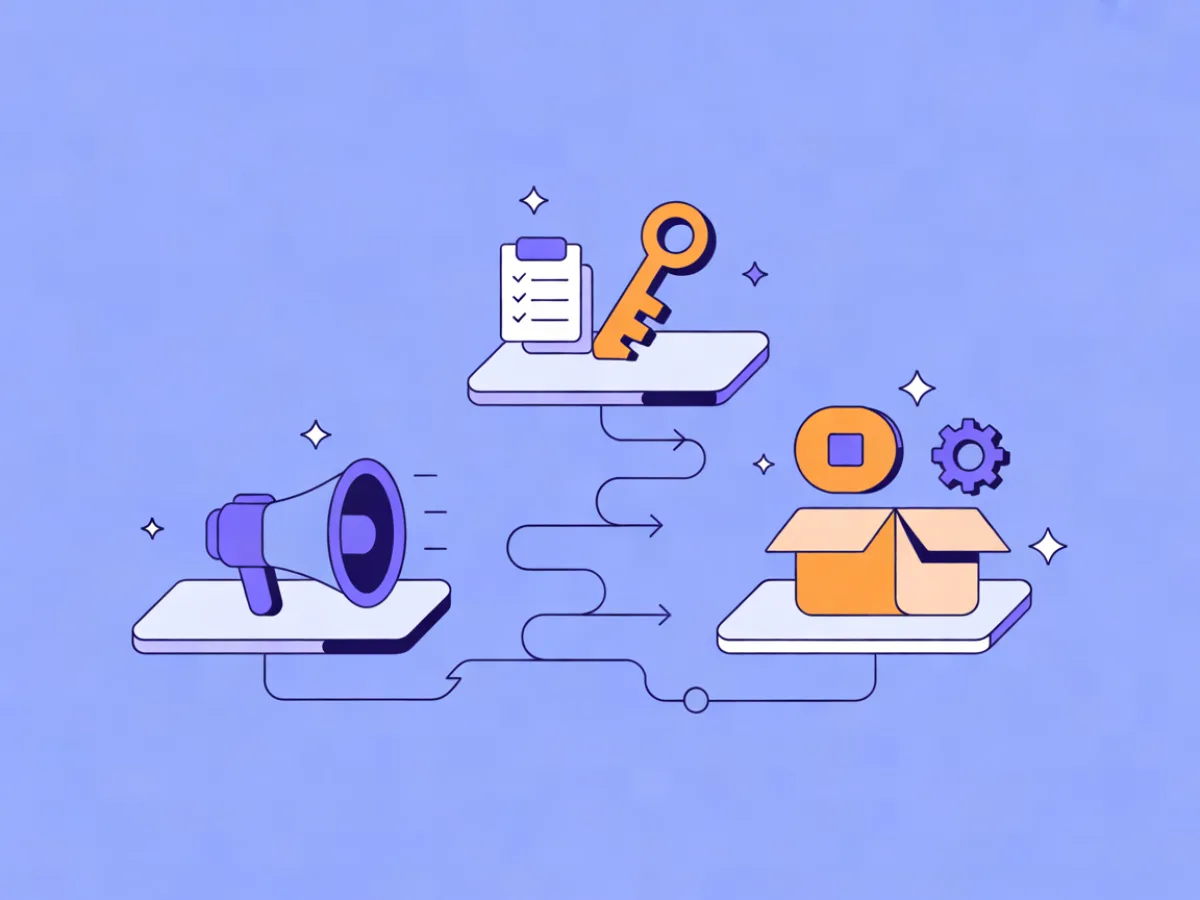
There are three families of revenue, and almost every newsletter business is a variation on one of them:
- Selling access to your audience. Sponsors and advertisers pay for a placement in an issue.
- Selling access to your content. Readers pay for issues, archives, or extras the free list doesn't get.
- Selling your own products or services. The newsletter becomes the top of a funnel for a course, template pack, community, consulting, or software.
A useful mental model: sponsorships monetize reach, paid tiers monetize loyalty, and products monetize trust plus a specific problem you can solve. They are not interchangeable, and the list size each one needs is very different.
Choosing a provider at the same time? Our comparison of the Best Email Marketing Platforms ranks them by verified prices for your list size and sending volume.
The three revenue models, and what each one demands
The numbers below are rules of thumb the industry uses, not measured benchmarks. Treat them as starting points for your own test, and validate with your own data before you set a price.
| Sponsorships | Paid tiers | Products / services | |
|---|---|---|---|
| What you sell | A placement in an issue | Ongoing access to your content | A specific outcome (course, template, service) |
| Typical viability | Low thousands of subscribers in a defined niche, with verifiable opens and clicks | A smaller list with a loyal core willing to pay | Almost any size, if the offer matches the audience |
| Work per month | Outreach, media kit, reporting, sponsor calendar | Consistent extra output for paying readers | Build, launch, support, iterate |
| Main risk | Selling to a list that never clicks; losing repeat sponsors | Churn and free/paid confusion | Building something nobody asked for |
| Revenue driver | Reach × engagement | Depth of relationship | Relevance of the offer |
Sponsorships and ads: selling access to your audience
A sponsor pays for a slot in an issue — a primary placement, a secondary one, or a classified line. Pricing is usually per send or per thousand recipients or opens, and it depends far more on audience fit than on raw list size.
What sponsors actually buy is predictability: a named audience, a reliable send schedule, and proof the list is real. Before you pitch, build a one-page media kit with your audience description, list size, send frequency, typical open and click rates, any past sponsors, and your rates. Keep a sponsor calendar so two competing offers never land in the same week, label paid placements clearly, and route sponsor links through a tracked redirect so you can report clicks.
Mailerflow's analytics — delivery, bounces, complaints, clicks, and approximate opens, per campaign and overall — give you the numbers a media kit needs, and dynamic segments let you separate engaged readers from dormant ones before you quote a rate.
Paid tiers: selling access to your content
Free subscribers get some issues; paying subscribers get all of them plus extras — the archive, deep dives, comments, calls, a community. The free/paid line has to be explainable in one sentence, or readers won't upgrade.
This model rewards depth over reach. A small list where a meaningful share opens every issue can support a paid tier; a large passive list often can't. Conversion rates vary enormously by niche and offer, so don't assume a percentage — test with a founding-member offer and see what your audience does.
Operationally, the key is keeping paid and free sends separate. Tag paying subscribers, then use segments built on tags and engagement to send the paid version to the right people and exclude them from upgrade prompts. Mailerflow's dynamic segments on fields, tags, engagement, events, and website behavior handle that split, and the automation builder covers welcome and renewal sequences.
Products and services: selling your own offer
Here the newsletter is the top of a funnel for a course, template pack, ebook, coaching, community membership, or a service. You control the offer, the margin, and the timing — no sponsor to convince, no platform approval to wait for. That's why it's often the fastest first model.
What you need: an offer that solves a problem your list has already told you about (mine replies, survey answers, and which links get clicked), a landing page, a checkout, and a sequence that sells without spamming. Relevance beats size — a 500-person list in a narrow niche can outsell a 50,000-person general list. Pre-sell or run a waitlist before you build, and test the pitch in a plain-text issue first.
Mailerflow's visual block editor (headings, heroes, products, columns, social links) and reusable templates make launch emails quick to assemble, and the AI email builder turns a description of the offer into a responsive design with subject lines and preview text.
How to choose your first model: a decision path
- Look at what you have. A defined niche a sponsor could name points to sponsorships. A specific problem you can solve points to products. A loyal core that wants more than you publish free points to paid tiers.
- Check your capacity. Sponsorships need outreach and reporting. Paid tiers need consistent extra output. Products need a build and a launch. Pick the one you can sustain for a quarter.
- Pick one and set a 90-day test with a single measurable goal: first sponsor signed, first 20 paying subscribers, or first 10 product sales.
- Add a second model only when the first produces repeatable revenue.
If you have a niche and steady opens, start with sponsorships. If you have a specific problem and trust, start with a product. If you have a loyal core asking for more, start with a paid tier. If you have a large but quiet list, fix engagement first — see the guidance on what to put in a small business newsletter for structure that keeps readers opening.
Worked examples (illustrative)
These are illustrative scenarios, not customer stories.
A 4,000-subscriber weekly for independent restaurant owners. The niche is nameable, so sponsorships work: one primary slot per issue sold to software vendors in that space, plus a paid tier for a monthly operations deep dive. First action: build the media kit and email three vendors already mentioned in past issues.
A 900-subscriber list about a niche hobby. Too small for most sponsors, but the audience shares one problem. It sells a $40 template pack and a $200 workshop. First action: run a waitlist to confirm demand before building.
A 25,000-subscriber general-interest list with weak clicks. Sponsorships underperform because engagement is thin. The fix isn't pricing — it's re-engagement and segmentation first, then quoting on clicks rather than list size.
Common mistakes that stall newsletter monetization
- Monetizing before the list is engaged. Segment by engagement and run a re-engagement send before you pitch anyone.
- Pricing sponsorships on list size alone. Report clicks and audience fit instead; that's what earns repeat business.
- A vague free/paid line. Write the promise in one sentence and put it on the signup page.
- Launching a product nobody asked for. Pre-sell or run a waitlist.
- Hiding sponsorship disclosure. Label paid placements clearly — it protects trust and is often legally required.
- Treating paid-send unsubscribes as failure. Track revenue per subscriber, not list size.
- Running three models at once. One model, 90 days.
- Ignoring deliverability while chasing revenue. Authenticated sending and suppression of bounces and complaints matter more once money is attached to each send. Mailerflow handles guided DKIM, SPF, and DMARC setup with automatic verification, plus automatic suppression of bounces and complaints.
A practical checklist before you launch a revenue model
Audience
- [ ] Niche or problem defined in one sentence
- [ ] Engagement segmented (active vs. dormant)
- [ ] Re-engagement send completed if the list is quiet
Offer
- [ ] One-sentence promise written
- [ ] Price tested with a small group
- [ ] Landing page live
- [ ] Checkout working end to end
Operations
- [ ] Sponsor calendar or paid/free tagging in place
- [ ] Tracked links for every paid placement
- [ ] Disclosure line added to sponsored issues
- [ ] Unsubscribe and refund paths clear
Measurement
- [ ] One goal for the next 90 days
- [ ] Revenue per subscriber tracked
- [ ] Deliverability monitored (bounces, complaints, reputation)
FAQ
How many subscribers do I need to make money from a newsletter? It depends on the model. Sponsorships usually need a low-thousands list in a defined niche with verifiable engagement. Paid tiers can work with a few hundred true fans. Products can work at almost any size because revenue depends on relevance, not reach.
Can I run sponsorships and a paid tier at the same time? Yes, but sequence them. Get one producing repeatable revenue before adding the second, or both will be half-built.
Do I need a big list to sell a product? No. A small, specific list that trusts you often converts better than a large general one.
How do I price a sponsorship? Start from what comparable placements cost in your niche, then quote on engagement — clicks and audience fit — rather than list size alone.
Should I use a separate platform for paid subscriptions? It depends on whether your email tool officially offers payments and content gating. Check your platform's own documentation before adding another tool.
How do I keep paid and free subscribers in one list? Tag paying subscribers and build segments on those tags, then exclude them from upgrade prompts.
Will monetizing hurt my open rates? Sponsor-heavy or paywall-heavy sends can. Keep the free value intact and watch engagement by segment.
Where this fits in the Newsletter Growth cluster
This is the pillar article of the Newsletter Growth cluster under Email Newsletter Creation. The supporting pieces — on list growth, deliverability, welcome sequences, re-engagement, and template design — go deeper on the inputs this article assumes, and links will be added here as they publish. If you're building a curated format specifically, how to build a curated newsletter readers value covers the editorial side.
Pick one model, write the 90-day goal, and start this week. When you're ready to build the emails that carry it, Mailerflow's AI email builder turns a short description into a complete, responsive email — free plan available.